Waterville --- A Canal Town
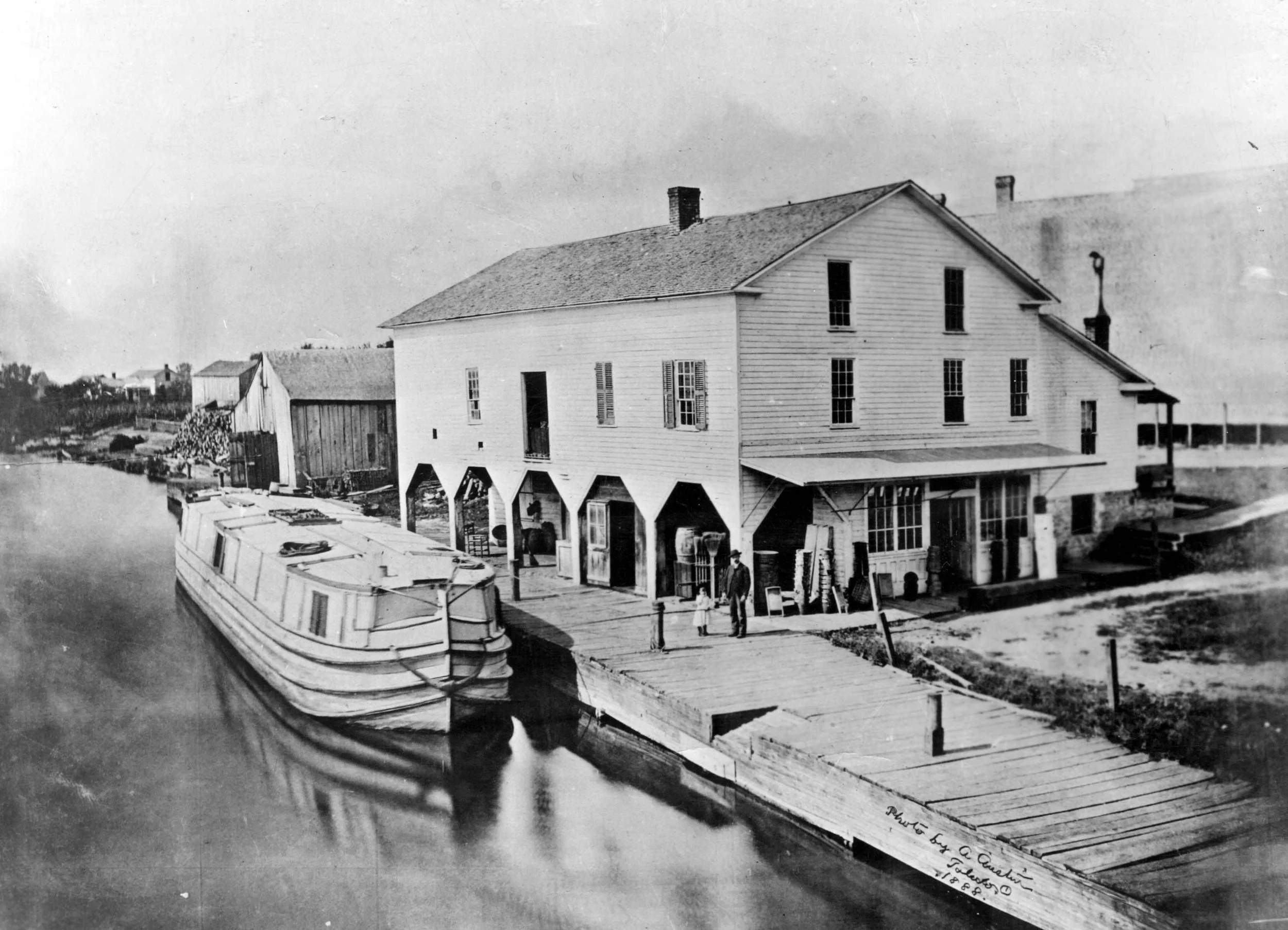
Our previous America 250 article touted the opening of the canal system as an agent of great change for our area. We want to consider some of these changes and the impact on our citizens in this one. First a little “bookkeeping” item. The Ohio General Assembly decreed in 1848 that the entire canal system within western Ohio would be called the Miami and Erie Canal. I suppose it made their administrative paperwork easier. We could still travel to Indiana or Cincinnati of course. We just didn’t call it “Wabash and Erie” anymore.
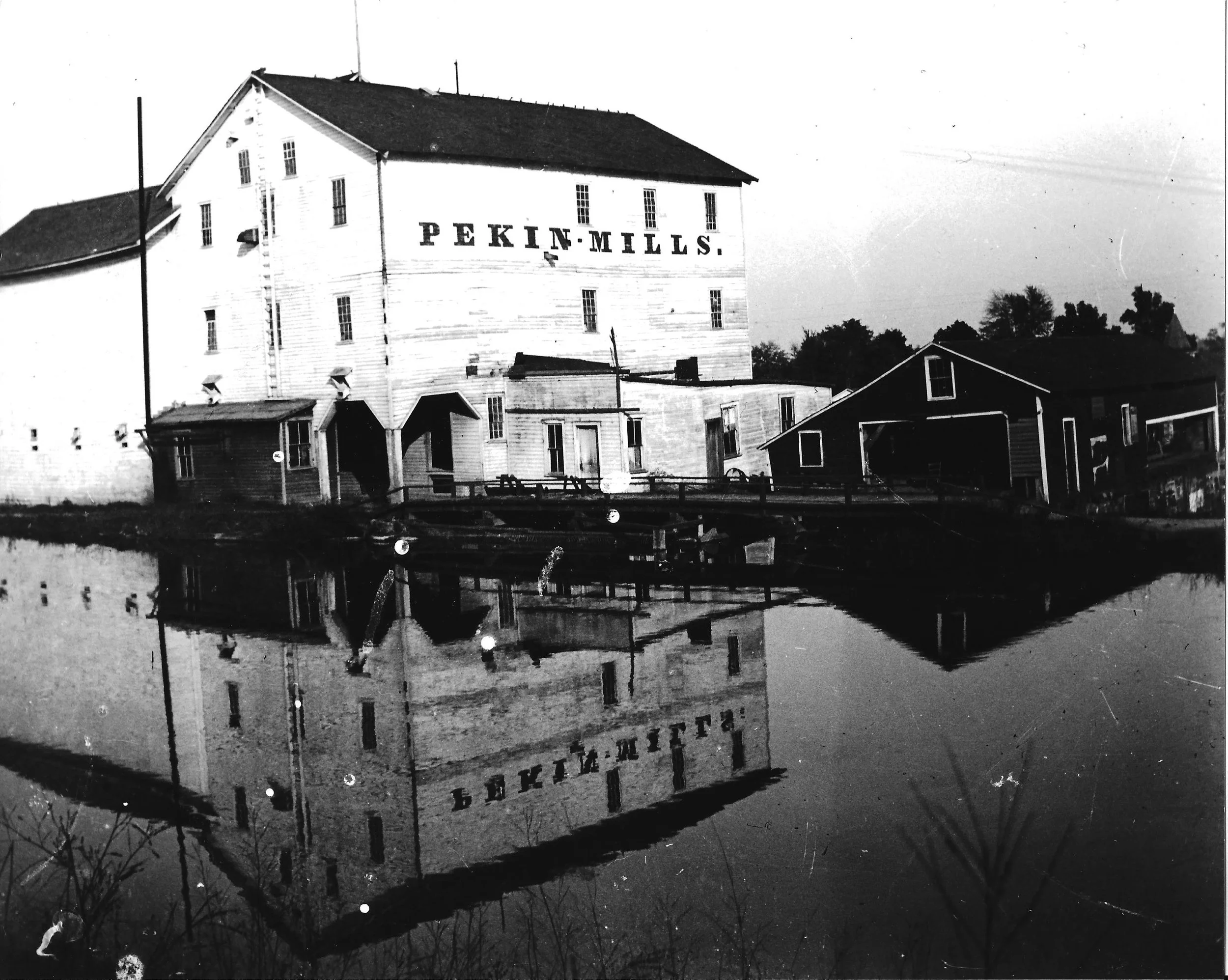
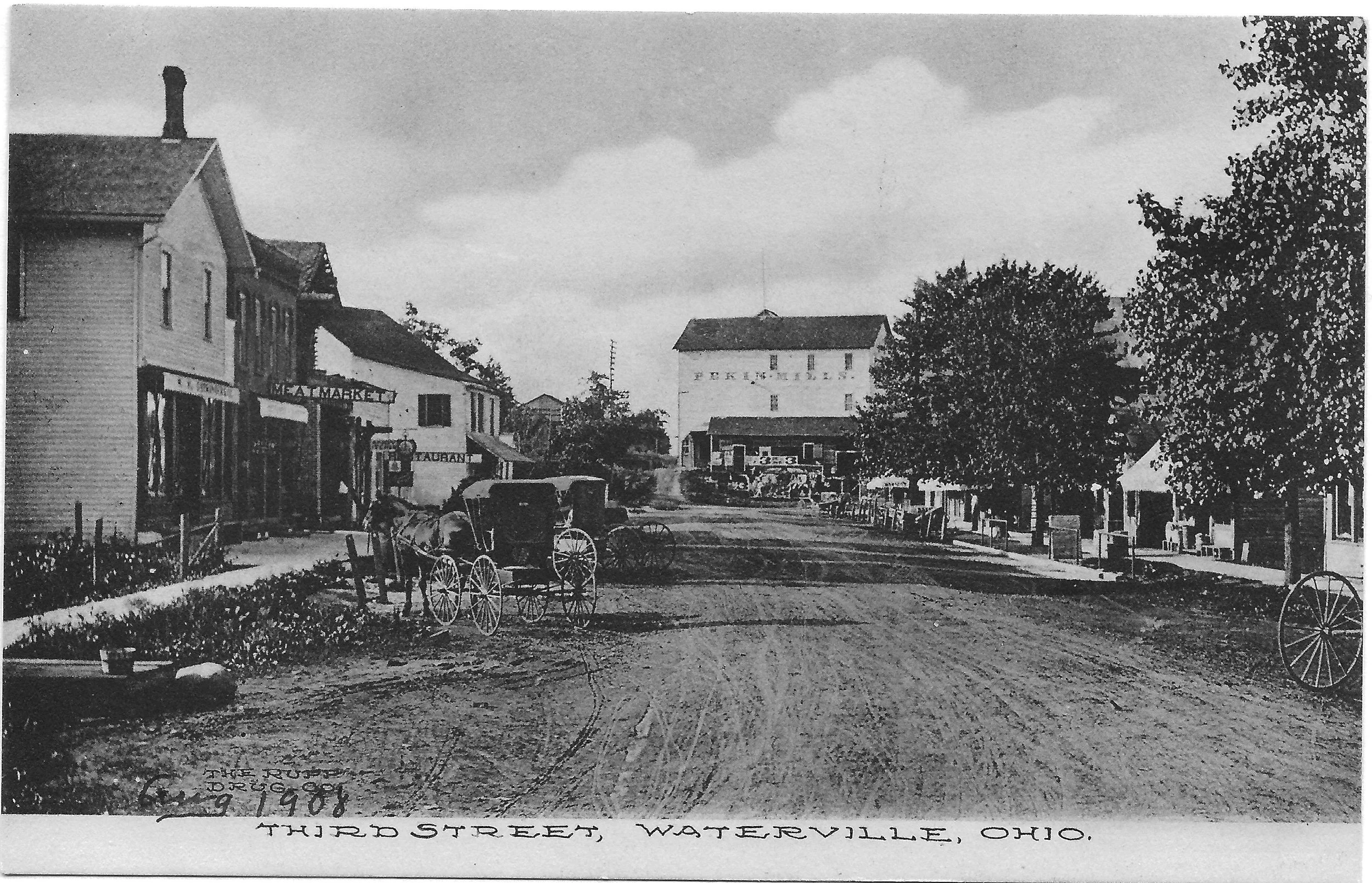
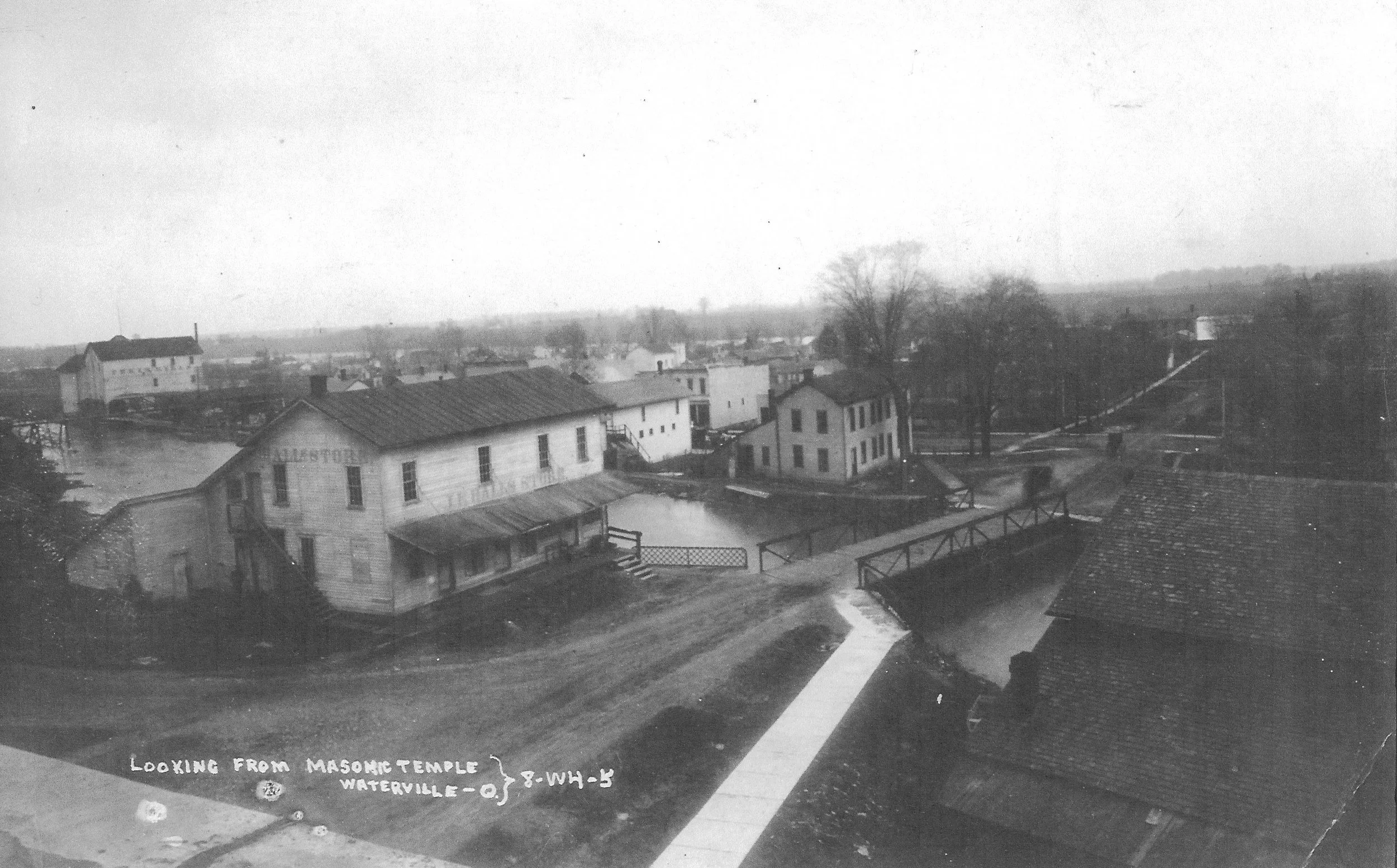
The first major change was the shift of the business district. Main Street Waterville catered mostly to the traveling public along the River Road with hostelries, shops and blacksmith service. Now travelers and commerce could take a smooth, quiet ride in a spacious canal boat, which crossed through our village just west of Third Street. Naturally these businesses moved to where the business was. So Third Street became our primary business district as it is to this day (Historic business district now) Also new businesses were created. In 1846 Louis Eastwood and his father -in-law David Hall built a hotel building called the Union Hotel at the northeast corner of Third Street at the canal which they owned and operated as a hotel store and tavern for the next 26 years. Later this building became the Fredericks House. The Ostrander General Store on the west side of Third Street built a dock on the canal out of their back door and traded with canal boat captains. Note: The business ledgers of this store are in the Waterville Historical Society Archives and are every name indexed including the canal boats and captains. Waterville businessmen Lorenzo L. Morehouse and James Brigham in 1846 built a large 3 or 4 story gristmill on the canal where it crossed Third Street at Mechanic Street, drawing water from the canal for power and running the millrace down the north side of Mechanic Street to the river. Called the Pekin Mill, it soon made Waterville” the grain center of Ohio” by many accounts. This mill also had a saw mill next to it using the same power. Two general stores soon appeared along the west bank of the canal at the Wood Street Bridge. (Wood Street is now Farnsworth Road) The J.E. Hall Store was on the north side and the one on the south corner had many owners over the years, was the Haskins Store for many years and is most famously known as the Rupp Canal Store for Jacob Rupp, the last owner. These stores traded with both the public at their street door and with canal boat customers and captains at their boat docks. By the year 1855 it is reported that no less than 400 canal boats were operating on the Mimi and Erie Canal.
Waterville transitioned from a pioneer town to a thriving and growing village in the first twenty years of its existence, thanks, in part at least, to the canal. This canal never did make money for the State of Ohio, primarily due to the high maintenance cost, but the benefits to the State in terms of opening the interior to settlers and businesses, and kick-starting cities and towns (like ours and the deepwater port of Toledo) could never be assigned a dollar value.
As for John Pray, he sold his Columbian House to business man L.L. Morehouse in 1843, who owned it until he died, to concentrate on his real estate business. In 1955 he built his final home on “Block One” at Wood and Fourth Street with a fine view of the village he successfully created, below and across the canal. He retired as John Pray, esquire, country gentleman. He died there October 18, 1872. The house still stands, looking much the same as when built.
Author: John Rose