THE RISE OF THE RAILROADS
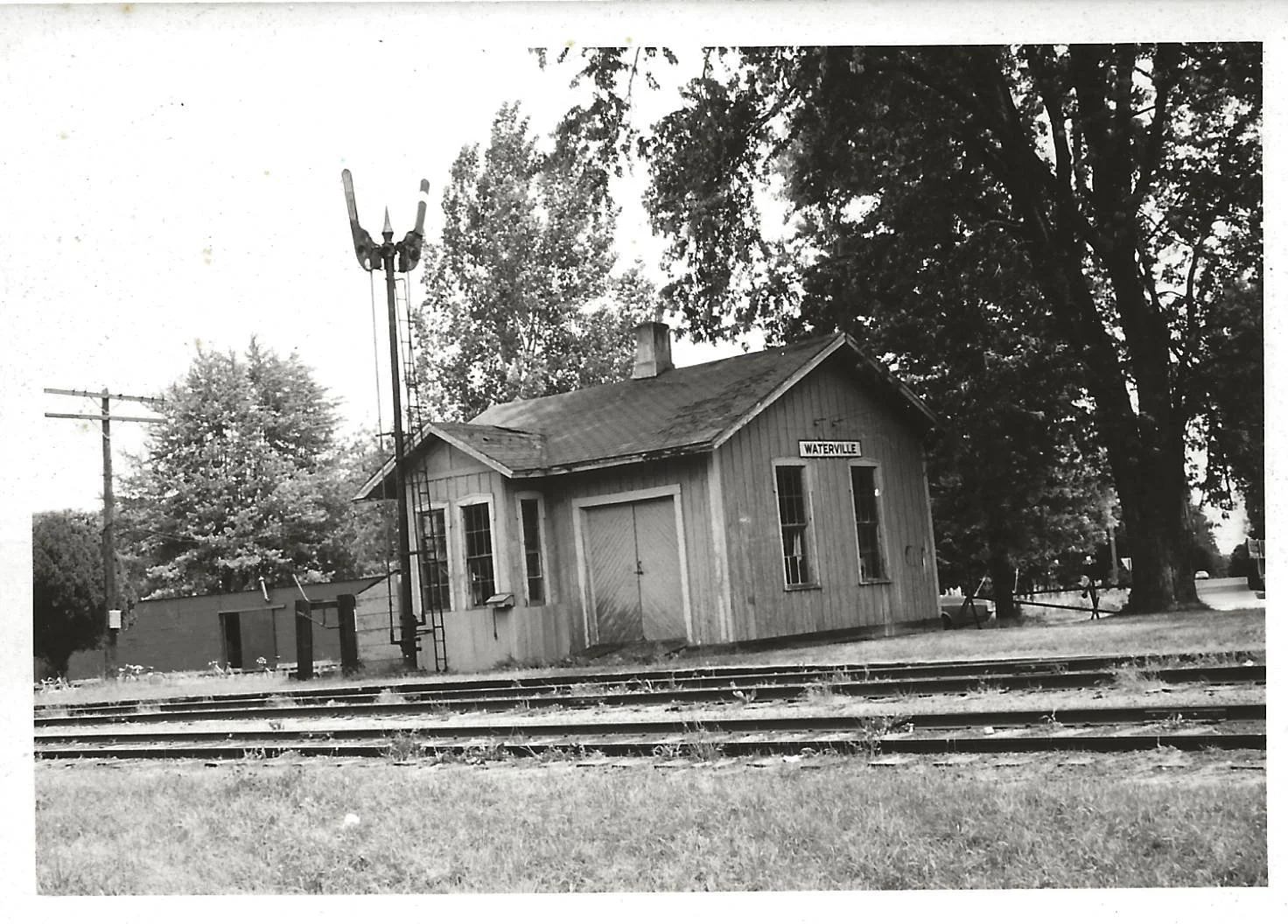
The technology for harnessing steam power for overland travel was developed about the same time as our canals were opened but were much slower to become practical. This was due, at least in part, to financing. Canals were created and paid for by state governments as a practical necessity, as discussed in our earlier articles, so development was quite rapid and financing sure. Rail was financed by private enterprise, a very messy process. Railroads were designed in the early years as long distance people movers, a valuable thing in the horse and buggy era. Generally a group of people with an idea to create a railroad between two points on the map thought it would generate much wealth. The process of acquiring land rights of way, building a road bed and laying rails then buying rolling stock before the railroad could begin to make money was more daunting than anticipated. Often bankruptcy followed, sometimes spending years in the courts. Then big money interests would “rescue” these companies by buying their assets and cobbling a number of these together to create a long distance railroad that could turn a profit. These railroads were what was called narrow gage (lighter and cheaper than a heavy standard gage to follow) No standards meant that, as railroads merged, the rails had to be adjusted to fit the rolling stock at hand.
Difficulties aside, successful railroads not only generated much wealth, they dramatically changed the way we lived! Intercity travel by canal was slow at 4 to 6 M.P.H. and not available in the winter. The train could easily make 40 to 60 M.P.H. all year around on a regular schedule. Pioneer families that settled in the Midwest left families in the east that they feared they would never see again and kept close only by mail. The railroad made it possible to visit with those relatives, now only a day or less easy ride away. Intercity business could be conducted the same way. Locally, our Waterville folks could travel to the (now big) port city of Toledo in less than an hour, shop or do business and go back home the same day. Our world got a little smaller again.
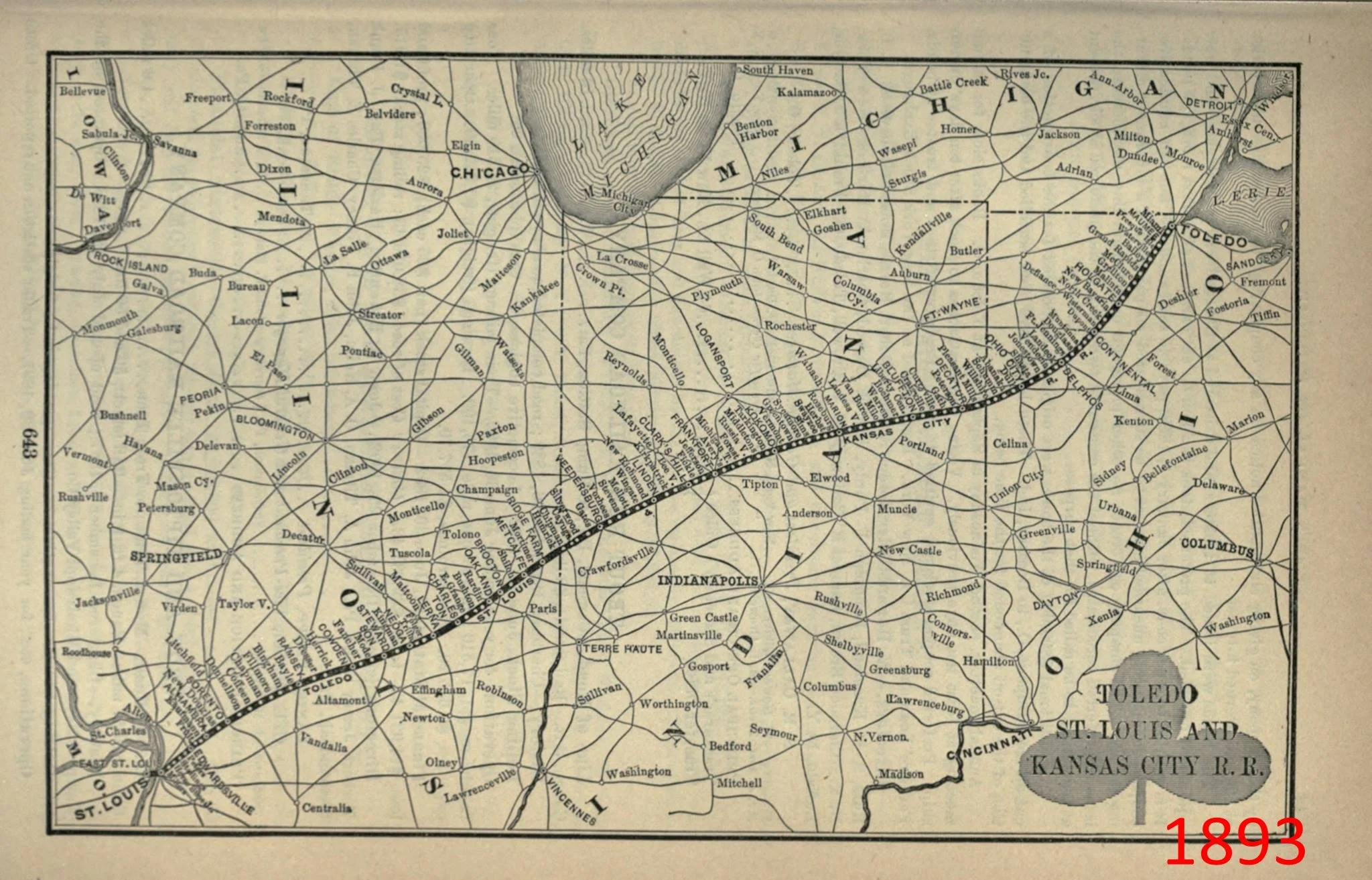
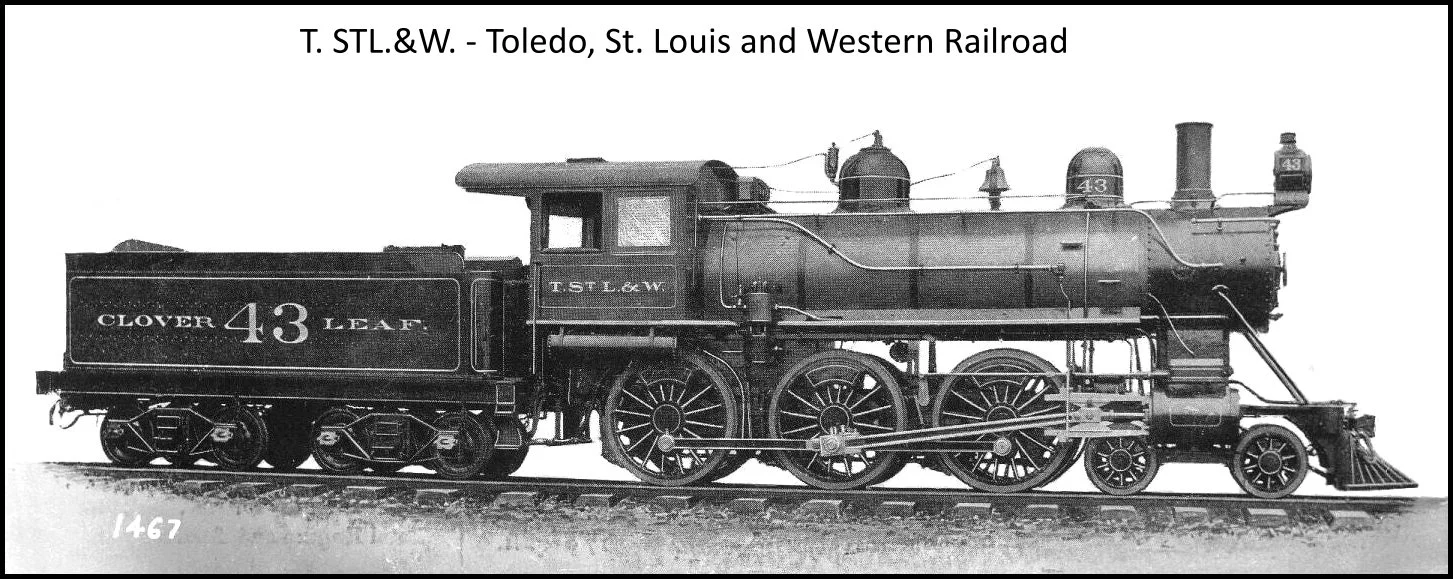
Waterville’s railroad arrived in 1873 or 1875 as a narrow gage-road from Toledo to Grand Rapids through Maumee and Waterville. It soon went through the all too usual series of bankruptcy and merger processes and eventually emerged as the Toledo, St. Louis and Western with the promotional name “The Clover Leaf Route” after being converted to a standard gage railroad. Note: For more detail read our Jan. 4, 2026 article in this space titled “The Tumultuous Creation of a Great Railroad”
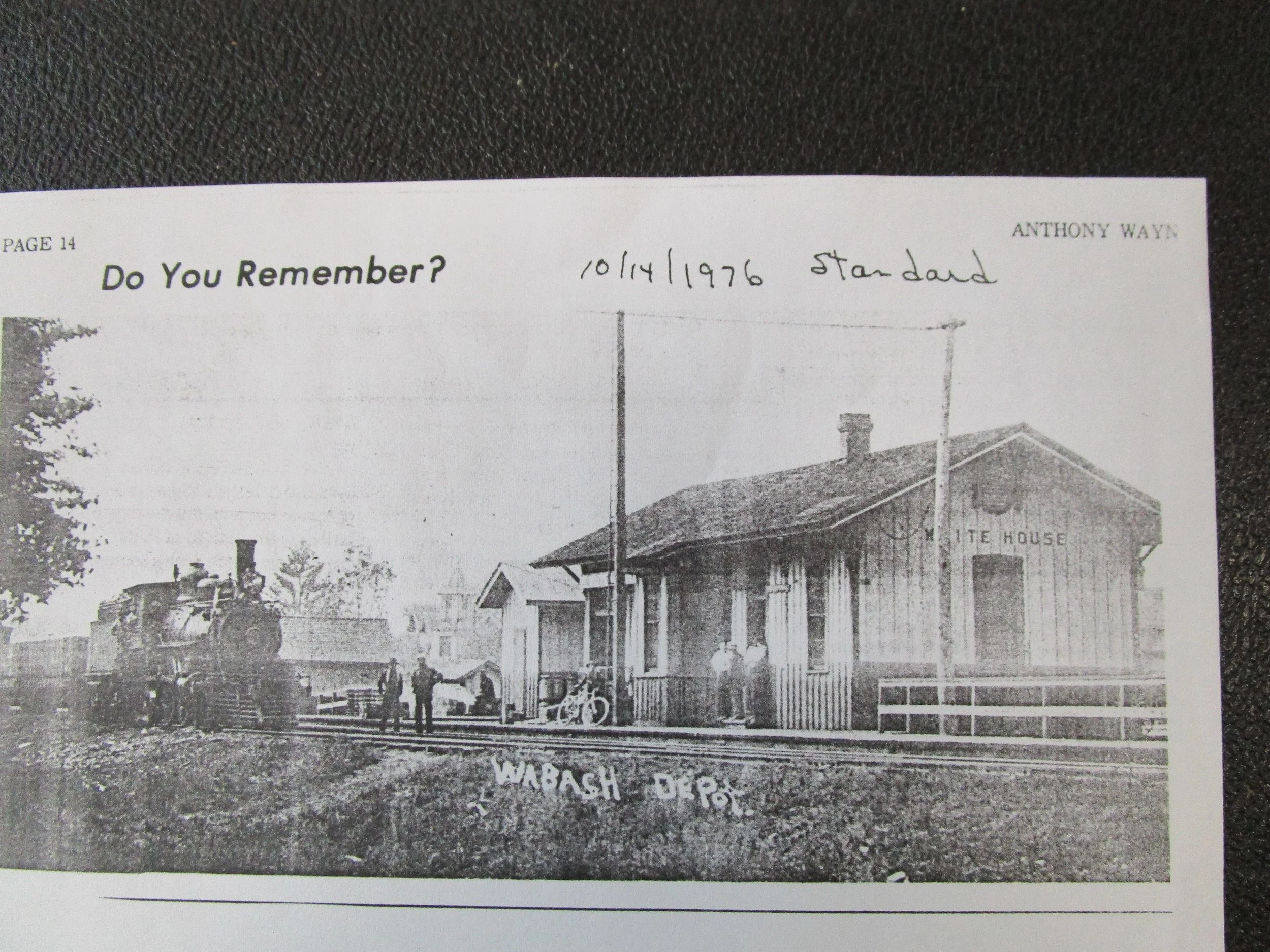
Whitehouse, our sister village, was founded, or officially platted in 1864, as a railroad service town along the route of the Toledo and Wabash Railway (later just the Wabash) The railroad was probably built between 1853 and 1856 and a post office was established in 1856. The land which became the village was owned by Mrs. Edward Whitehouse at the north and Capt. John R. Osborn, who filed the plat for the Village of Whitehouse, on the south. Mr. Whitehouse was at the time the Treasurer of the growing railroad company and had established the area as a water and fuel point (when locomotives burned wood)
So we find that Waterville Township hosted two great railroads in two prominent communities only 4 or 5 miles apart. One great advantage to this, besides the transportation mentioned earlier, was that railroad building required prodigious amounts of limestone aggregate which our local quarries were happy to supply.
Written by John Rose for America 250