Waterville Historical Society

your connection to the past

The Waterville Historical Society collects, preserves, provides access to, interprets and fosters an appreciation of history that has an impact on the Waterville, Ohio and surrounding area.

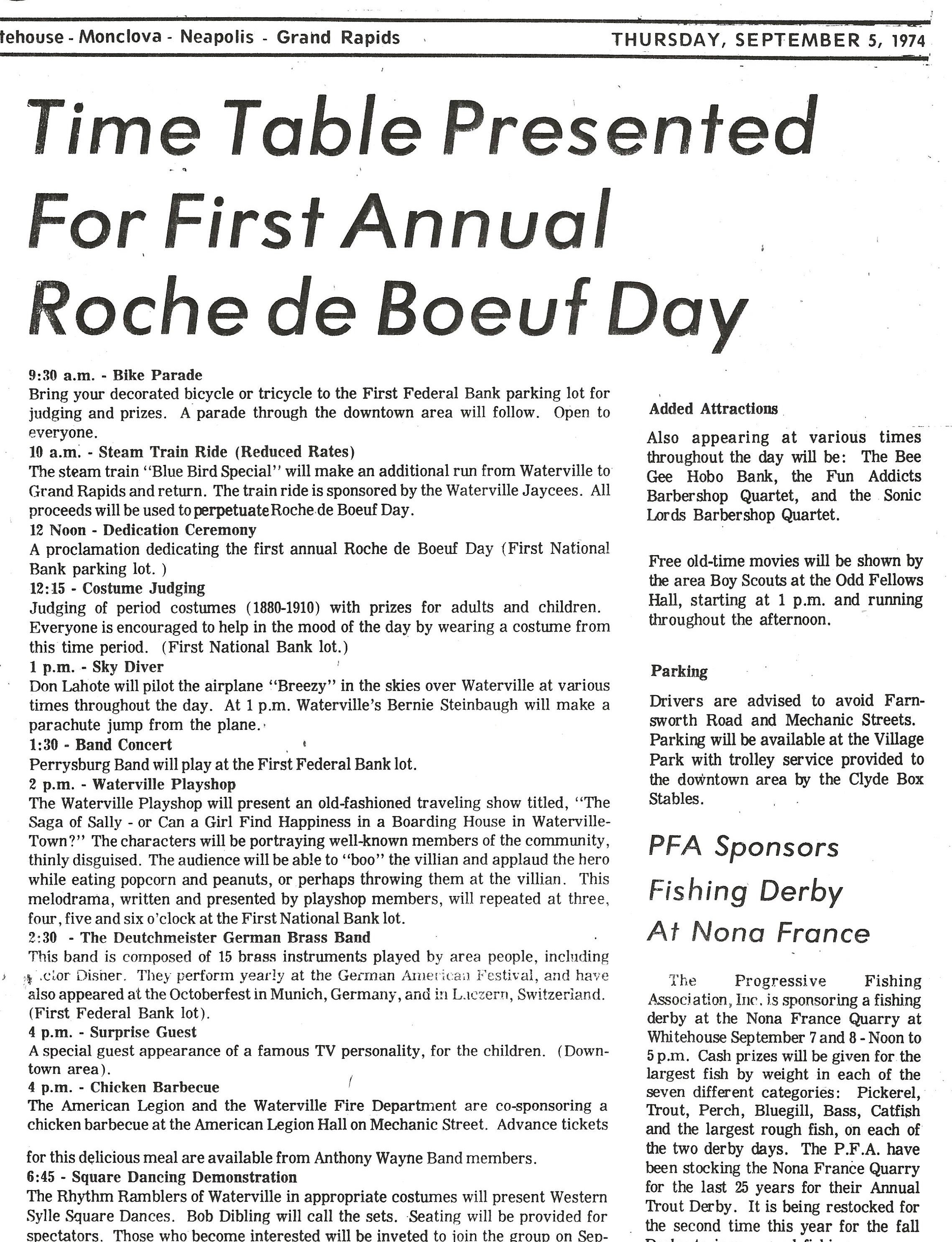
THE FIRST ROCHE DE BOEUF FESTIVAL 1974
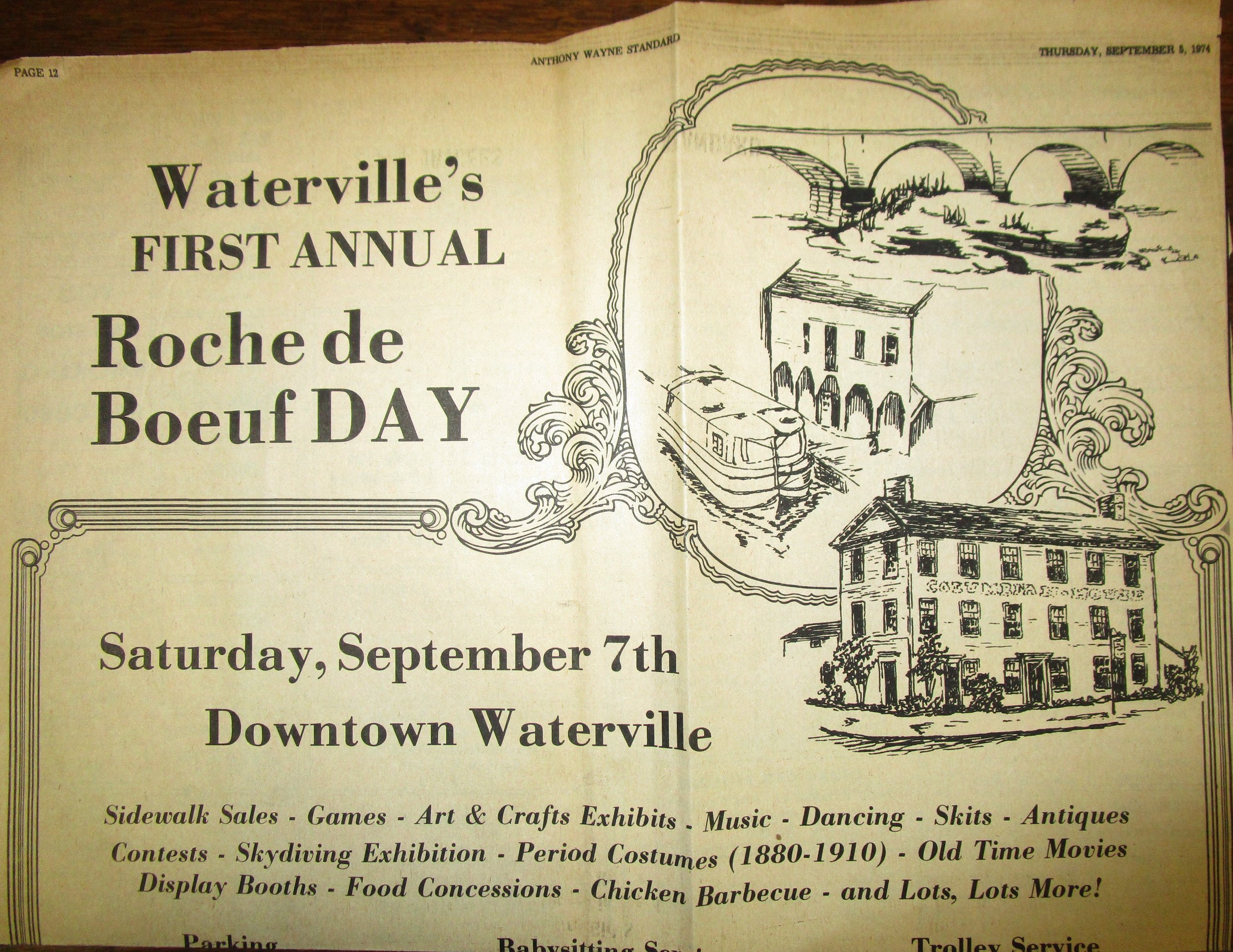
The festival was named for the large out cropping of rock in the Maumee River. The rock was called Buffalo Rock by the Indians and translated by the French as “Rock of Beef.” The festival salutes the Roche de Boeuf or Rock of the Buffalo.  So people would remember how to spell Boeuf they were taught the rhyme “Buffalo Over Eat Until Full.”

The festival all started at the kitchen table with Gary and Diana Waugh. They along with Kenny and Annabelle Blair decided to add a new event to the Village of Waterville community events.

The First Roche de Boeuf Festival was to be held on the first Saturday after Labor Day, September 7, 1974. It was started by the Jaycees which included Gary Waugh, Don Blewett, Rick Young and Ken Blair as the chairmen and coordinators. Some of the others that helped were Bill Lommatzsch, Alan Porath, Bill Price, Walt Seymour, Dave Myerholtz, Ed Plante, Bill LaRue and Mike Dehner. The festival was supposed to be a day of celebration and merriment in downtown Waterville with singing, dancing, craft booths and a barbeque, etc. with Waterville history tied to the river, canal and railroad, village government and service organizations.  The official costume was to be 1880 to the 1910s. The purpose was to establish a day for Waterville people to get to know each other and their town, and bridge the past with the future. They wanted to establish an annual event different from a carnival type that was happening here and in other towns. Of course it was also a way for the Jaycees to increase membership and have the business community participate. Also much of the money that left town with the carnival would now stay in the community.

The first festival had a bike decorating contest and parade with 30 children participating. They had special rides to Grand Rapids and back on the Bluebird Special, picking up people in a hay wagon and tram ride. They had tours of historical sites in downtown Waterville. At 12 noon a special meeting of the Village Council was held with reading a proclamation honoring Roche de Boeuf Day as an annual event and dedication of a plaque for the Roche de Boeuf Bridge Society. They also announced that the old power plant would be turned over to the Waterville Historical Society for a museum.

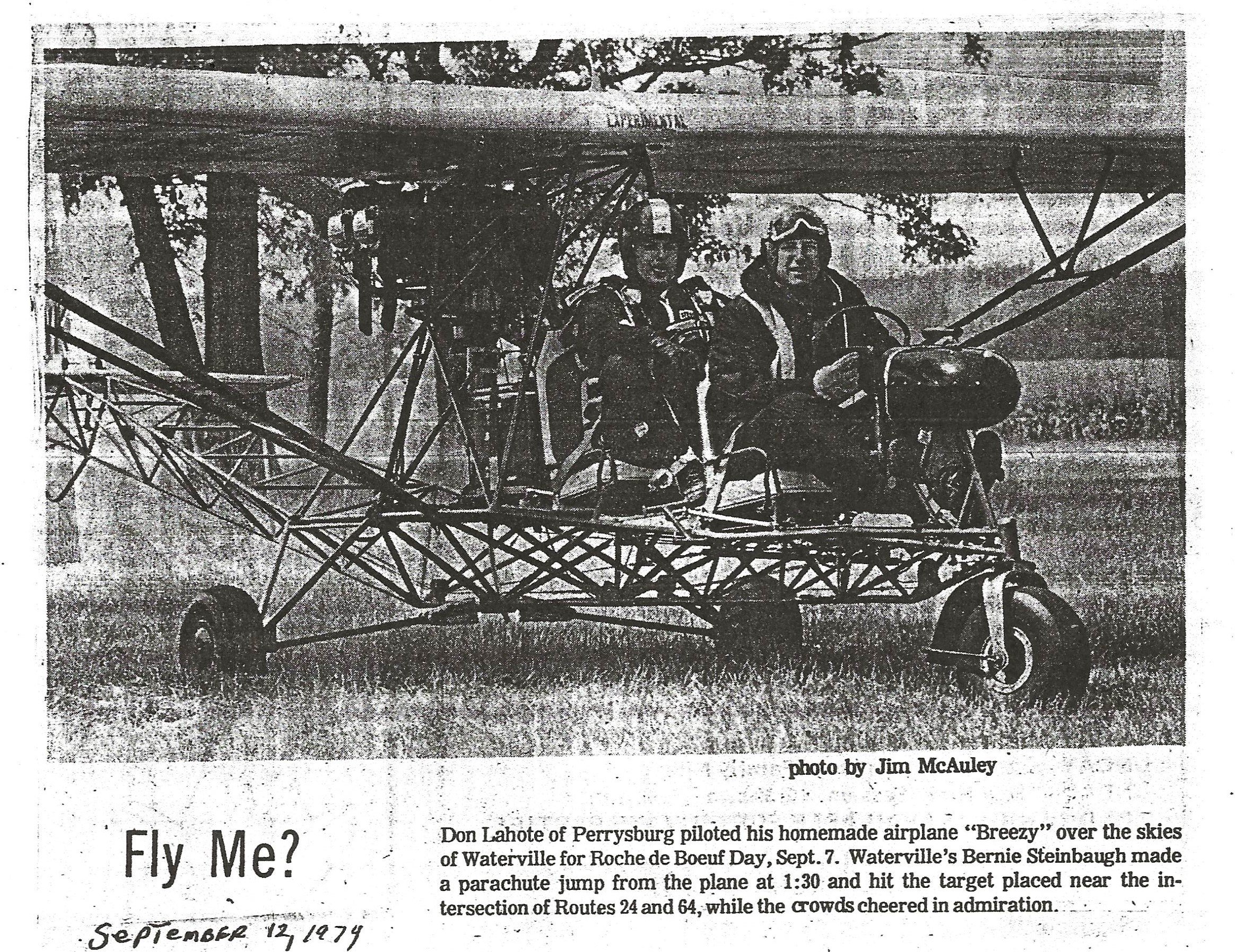
Don Lahote of Perrysburg piloted the homemade plane “Breezy” over Waterville and Bernie Steinbaugh parachuted from the plane and landed on his target at Route 24 and 64 at the point where Mechanic Street and AW Trail meet. He was still jumping from the plane in 1990 at the festival. The AW band was unable to play at the first festival so the Perrysburg Band was invited and played.

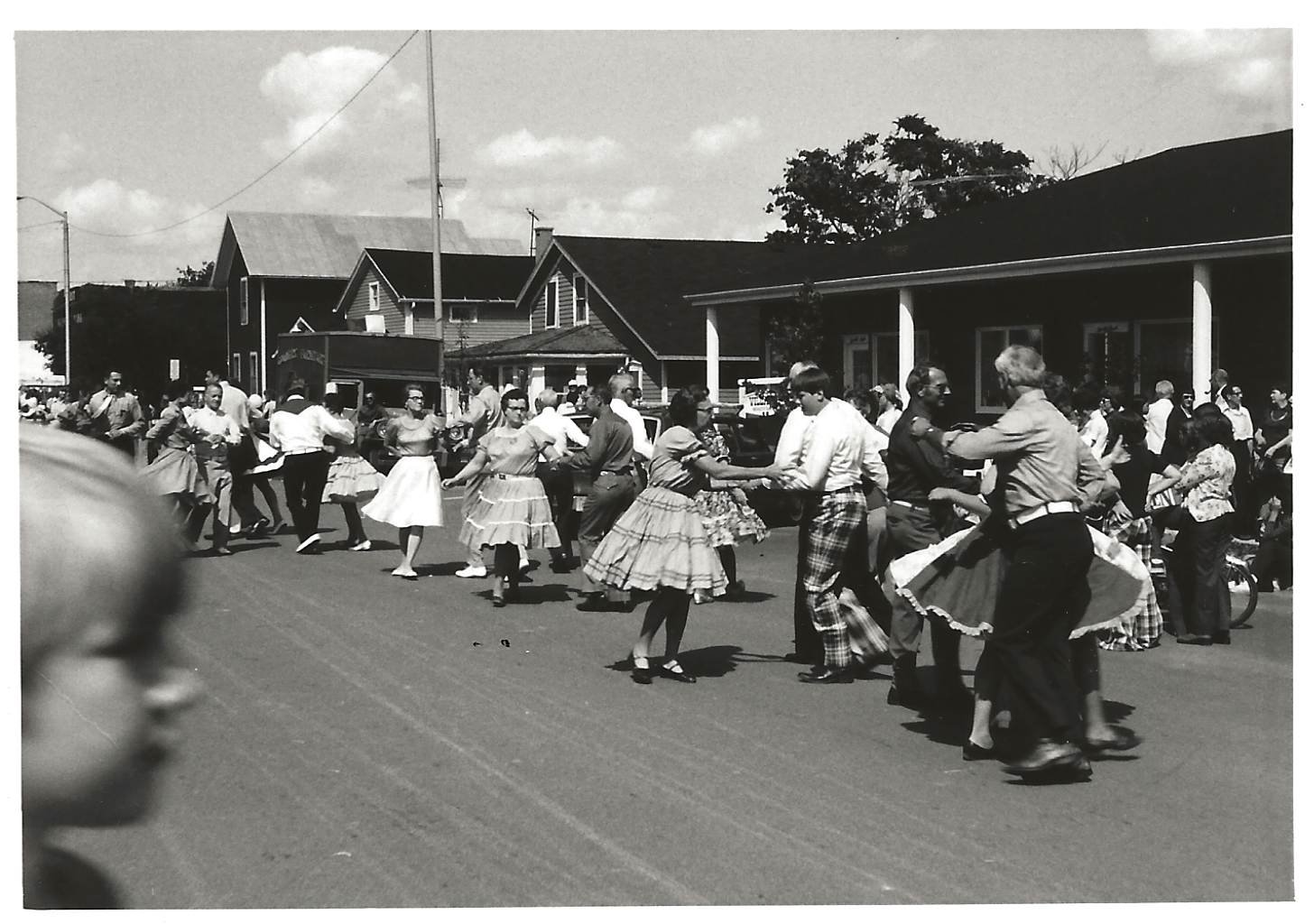
About 60 people dressed in 1890s attire. They had the sky diver at 1:00 p.m. that landed on his target. The Waterville Playshop put on an old fashion melodrama and the Rhythm Rambler’s, a western square dance group, demonstrated. That was followed by street dancing. There were craft booths on Second and Third Street. It was a big day and lasted all day and into the night. They even had a rock band.

The Roche de Boeuf Mission Statement said it was to be a family affair, promote local business and bring people to Waterville, then to encourage visitors to come back to visit and shop. It looks like they did a good job as we are now celebrating the 50th festival this year and it is bigger and better than anyone could imagine. Only the 47th Annual Festival was canceled due to Covid-19 concerns, adhering to the health department restrictions during the Covid pandemic and the best interest of the community.


Waterville Blossom Festival


History of the Apple Blossom Festival and Waterville Festival

The Apple Blossom Festival was suggested at the Waterville Chamber of Commerce as noted in the Whitehouse Standard on April 29, 1933. This was just coming out of the Depression and the Chamber of Commerce was probably trying to find a way to increase business for the people of Waterville plus it was way to throw dull cares away and celebrating.  Of course people were beginning to travel more and this was a short drive to Waterville to see the apple blossoms and other trees in bloom. This would help get the people back then to buy the apples and other produce. The May 6, 1933 date was selected. Everyone interested in seeing the trees in bloom met at the Waterville school and the Whitehouse Band played. They traveled in the parade from the school house at 1 p.m., in a caravan of trucks and cars lead by the band and the Boy Scouts where they traveled up the river to the Byrum and the Utz Fruit Farm on River Road, then to the Boyer Fruit Farm on Waterville-Neapolis and Schadel Road and finally to the Farnsworth Orchards on Farnsworth Road. At the Farnsworth Orchards they had a program and crowning of the first Blossom Queen, Theresa Walbolt. Her attendants were Merita Witte and Marilyn Baldwin. It was raining at the 1st Festival so the program and dancing was held at the Graf Garage where now Peddler’s Alley is located. They removed the three Model T Ford fire trucks, four yellow school buses and parked them outside so the floor could be cleaned for square and round dancing.

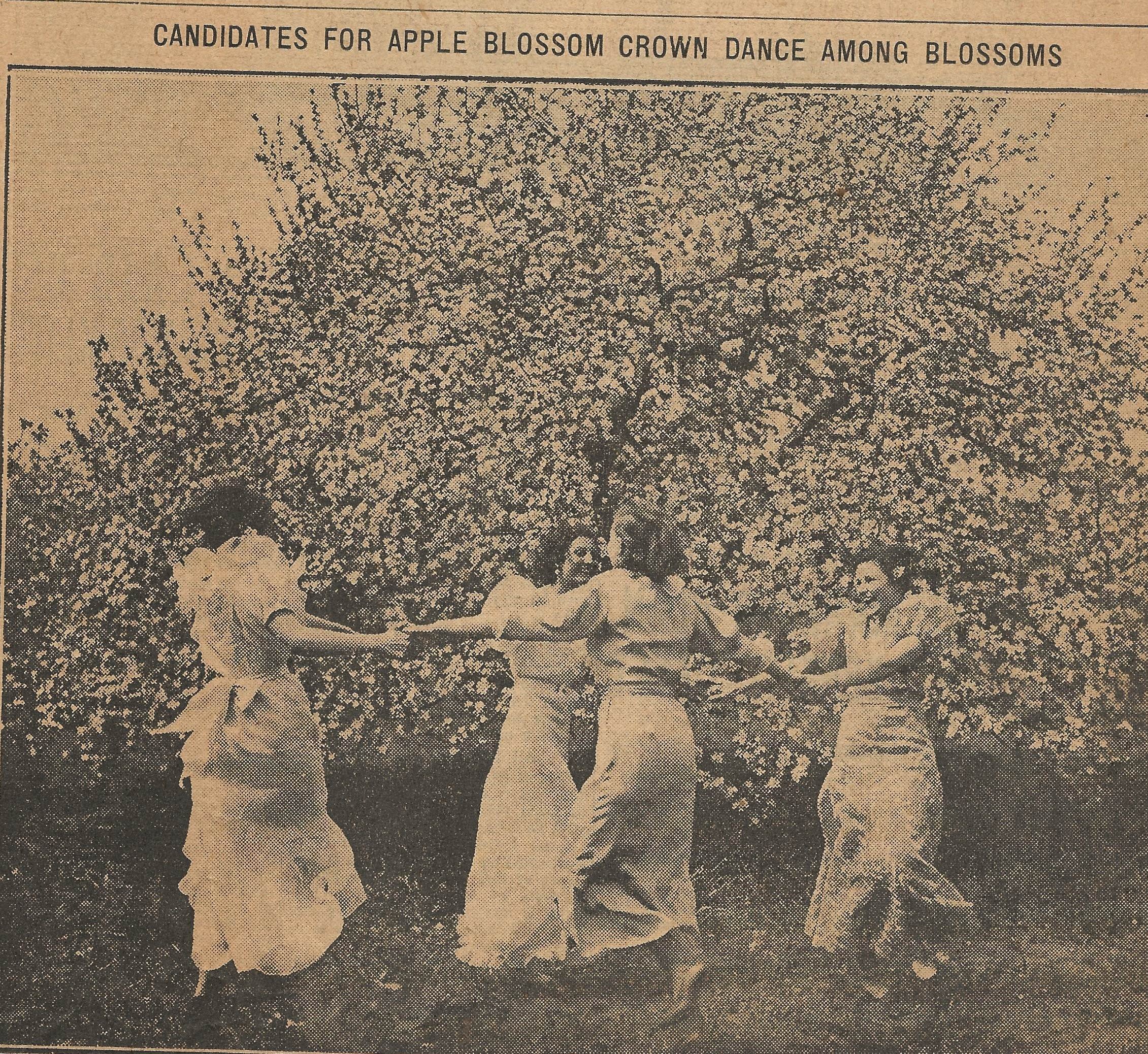
The 2nd year (1934) they had blossom covered floats. The people took a tour of the 500 acre Farnsworth Orchards where most of the proceedings after parade were held. The queen and her attendants were seen dancing under the apple blossoms in 1934.  In 1937 the Waterville Blossom Festival was held on May 8th with parade, floats, bands and the Queens Ball with single admission tickets to the ball at 35 cents and 15 cents for children. Waterville was advertised in a brochure at that time as a city suburb and an agricultural town. It stated that the village owns and operate its own water and electric plants, has three churches, good school system, has a bank, garages, restaurants, barber shop and stores sufficient to care for its needs. The population of Waterville in 1934 was 976. A map was provided so you could travel to see the apple blossoms. The night before the festival three million bees Mr. Farnsworth rented from a man in Shelby County were released to fertilize the apple orchards of the village. The flight of the bees was an annual event at the Farnsworth Farms, usually the night before the Festival. He keeps the bees all summer and the owner come later to take them home.

The last Blossom Festival was 1940 by our records when the festival was discontinued during the war years of WW II.

The first Post War Waterville Festival was held June 1947 and it replaced the old Waterville Blossom Festival and now it was sponsored by the American Legion Post and the Waterville Volunteer Fire Department, dropping the word “Blossom.” They said they wanted to continue to sponsor the festival annually with enough money is raised for building of a community house or building.  It was a four day event ending with an hour long parade on Saturday and later in the evening with square dancing. They had carnival rides all taking place in Waterworks Park, now Conrad Park. It was a fun filled time! It was a money maker for the sponsors. In 1955 there were 12 bands, 6 marching groups, 9 queen candidates and by 1963 there were 30 marching units in the parade. Prizes were given to the bands and floats.

In 1981 they mentioned what they had purchased with festival funds which were a rescue truck and equipment, material for the Village Park Shelter House, Christmas lights, steel grills in the park, flags and poles for street display and flags for the park and local schools, sponsorship of teams and Scout troop.

Author’s Note: We are looking for more information on the Waterville Festival to add to our records. Do you have pictures or information you would like to share?  

The Demise of the Miami and Erie Canal

We have written extensively about opening of the canal through Waterville and the benefits we enjoyed because of it. We enjoyed these benefits for forty to fifty years but the canal had a long, slow decline. Railroads came into being at nearly the same time the canal was opened and expanded over the years. Rail had the advantage of operating the year around and was faster. No steam railroad reached Waterville until 1876-77 when the Toledo and Grand Rapids narrow gauge railroad was built. The canals were built and operated by the State of Ohio and never generated much income, mostly due to maintenance costs. A plan to lease the canal to private contractors didn’t work either as the contractors neglected maintenance and retuned the canal back to the state in severely run-down condition. By 1900 the state wanted to close the canals and get out of the canal business but met a great deal of push-back. Much of what was left of the canal boat traffic was now local and passenger service was entirely owned by the railroads. There were, however, a large number of mills and other businesses paying the state for water rights to use for power. These businesses did not want to lose their relatively cheap power source, so they were adamantly opposed to closing the canal. The final straw came in 1913. The disastrous flood, due to storms which dumped 6 to 12 inches of rain over much of the state, wiped out large sections of the canal making repair nearly impossible. Some sections closed completely and some sections were repaired enough to serve a local area. Note that the old wooden dam at Providence was replaced with a new concrete roller dam in 1908 by John Weckerly and company (paid for by the state) which survived the flood and is still in place today. Locally then, our canal survived the flood and continued to be used for power and recreation, from the dam to Swan Creek in Toledo. The State of Ohio continued to push for the end of the canal business and finally, after surviving court challenges, passed legislation called the Tom Act in 1927 ending canal navigation and then officially closed all of the canal in 1929. Toledo, by 1929, had for some time been planning to turn the canal into a roadway for automobiles. The Mayor and public officials had made plans to drain the canal, with a big ceremony and program to be held on Saturday, July 6 at 2:30 P.M. Thes plans were spoiled, however, when unknown persons on the night of July 3rd created, by blast or shovel, a huge hole in the canal bank on the Utz farm three and one half miles above Waterville. On the morning of July 4 they found the canal rapidly draining to the river (Article in the Toledo News-Bee, July 4, 1929). Mission accomplished but not as planned. So, as we celebrated the opening of the canal on May 8th, we Waterville folks may take some credit for the demise of the same canal by this dastardly act. Toledo then gained the Canal Boulevard which eventually became Rt. 24 and the Anthony Wayne Trail through Waterville..

Authors Note: We Watervillians may also take pride in the fact that our own W. W. Farnsworth, orchardist, State Senator, and first executive secretary of the Toledo Metropark System and having served four two-year terms in the Ohio State Senate, convinced the State to turn portions of the canal lands over to local park boards, thus our local park which bears his name came to be.


A Jackie Gleason Limo with a Waterville Connection

https://www.pinterest.com/pin/251357222923265541/

This story comes to us courtesy of Steve Asztalos who grew up in Waterville in the 1930s and early 40’s. Steve was a W.W. II veteran and became an auto body mechanic under the post WWII G.I. Bill. Perhaps some of our “old timers” remember Steve as a classmate or Waterville resident. He was kind enough to sit for an interview at the Wakeman Archives in 2016.

Can you imagine taking a saw to a brand new Lincoln and cutting it in half? We wrote an article in 2015 about the Shop of Siebert, a company devoted to customizing mostly Ford Motors vehicles into hearses, ambulances, police cars, stretched transport vehicles and custom limousines. This company moved to Waterville in 1951 from Toledo due to a need for more space and located where Peddler’s Alley is today. Steve Asztalos worked for this company for over 36 years, following them in a move to Inkster, Michigan in 1964. Sometime between 1964 and 1966 Siebert merged or was acquired by the Carron Corp of Inkster.

It was Inkster, Michigan that Steve took his saw to a new 1969 Lincoln Continental Mark III and chopped it in half. The purpose was to produce a customized limousine for the popular comedian and television personality, Jackie Gleason. Mr. Gleason, as we oldster well remember, was a very large man. He demanded extra wide doors which were not partially blocked by rear wheel wells, as most four door vehicles were in that day (and still are). The result of these and other demands of the Gleason team was a vehicle stretched by lengthening the frame to a wheelbase of 166 inches and overall length of just over 22 feet. The passenger area, designed by and for Gleason, had two rear facing seats and a reclining rear seat. In between was a console containing a refrigerator, liquor bar/desk, 2 telephones and a color television. It had all push-button controls and two air conditioners. The finished car was sent back only once for better air conditioners. Jackie liked it cool! The car was finished with sixteen coats of a deep burgundy metallic lacquer. Steve discussed sanding the entire car with a 600 grit sandpaper between every two coats. He said it was a long way around that car. Finally four coats of clear lacquer were applied over the color. The limousine cost a whopping (for that time) $68,000, (about the same as a basic Lincoln might cost today)

Authors note: The archives has a notebook of photographs of many vehicles produced by The Shop of Siebert here in Waterville, thanks to Steve. These are available for the public to view whenever the Archives is open. The Archives is open every Wednesday from 10-2, year round weather permitting. We are not open if there is snow on the driveway.

Cobbler Shop Renovation by Merle Wilhelm


Because of his love of history, because of his attention to authentic materials, and because of his artistic ability, Merle Wilhelm has brought back “The Cobbler Shop” on the Waterville Historical Society River Road campus. Mr. Wilhelm, a Waterville resident since 2008, renovated his own property and took on the Waterville Historical Society project because of his talent and interest in the creative process of woodworking.

“The Cobbler Shop” located behind the Robbins House Museum on the historical society’s South River Road campus, is a small, bright and red-orange building built circa 1905. In George Haley’s time the building was located on Farnsworth Road at the N.E. corner of the alley between 3rd and 2nd Street. It was later moved down the alley to the rear of the Henry Oliszewski property at 27 Second Street where it was repurposed as a shed or chicken coop. The building was moved to the historical society’s property in 1983. It has been used as an additional museum building until Merle took interest in the renovation project that transformed the entire structure. The building had been closed due to deteriorating conditions.

He has a respect for history, showing his attitude clearly with his experience with area reenacting groups. Merle says, “I got into reenacting in the late 1970’s, early 1980’s, when I joined The Toledo Muzzle Loaders. We did many rendezvous and reenactments. I made most of my own clothing and accoutrements. I remember when our group set up camp inside Greenfield Village. I demonstrated cooking venison on a spit over an open fire, and gave tomahawk and knife throwing demonstrations.”

Merle’s own property, built in 1907, is located across from the historical society campus. In his renovation of his own home and adding a barn and addition, he used original wood, windows, cabinets, and flooring in different ways. The materials in his home are authentic to not only Waterville, but also his property. He used the same thought process and righteous commitment to create The Cobbler Shop’s new look.

“The Cobbler Shop inside wood is recycled Barn siding that came from Antique Beams and Boards in Delta Ohio,“ Merle notes. “They planed the wood a little, and cut each board to 6” wide. I can’t tell you enough how great a job they did. The hanging electric lights I constructed using old antique shades, and one made out of an old farm funnel. The light switch is the old push button style they used in the early days. I replaced one window and sill that was rotted out. I found an old window in an antique shop, cleaned it up, and made a new frame for it.” The other two windows are original, he said,

His knack for using recycled wood, he says, he learned from his father. “When I was abought 10, my father would bring home huge pallets that glass was shipped in, he worked at Libby Owens Ford Glass factory on East Broadway in Toledo. My job was to take off all the iron straps, de-nail the boards and stack it. He built a pony shed with it, and other things. I just love the look of rustic pieces that I make, with no cost but labor. I still collect old wood and siding from my neighborhood.”

“I researched how to work with wood.” He read books and examined old pictures, and practiced with wooden joints to understand the feel and the process of woodworking art. The skilled tasks and the creative process combine for Merle into a very special calling.

Merle says, “I am in my own little world when I grab old wood and decide what I am going to do with it. It’s my happy place.” He notes that The Cobbler Shop project has provided him with a certain serenity. The work has helped him grieve for his wife, Lorinda, after her death in August of 2021.

Now, where there once was a 10 ½ by 14 ½ foot storage building, the Waterville Historical Society South River Road Campus has gained yet another museum. Neatly displayed and cataloged Inside The Cobbler Shop are leather-working tools, shoe forms, a whetstone, and a barrel which is set to hold an an antique checker board and checkers. There is a spot for a small woodburning stove as well.

The tidy but appealing little building already is in fact generating interest from the visitors to historical society events. At the most recent “Haunted Waterville” program, thirty people expressed interest in “The Cobbler Shop” and were shown the work and artifacts contained in it.

Merle is committed to helping others learn about the past. He says, “Historic wooden objects, and how to make them is a lost art. If I can share with others the talents that God has bestowed on me, it is my duty, and my joy (to do so). His efforts have added a new, artistic dimension to the Waterville Historical Society, but the whole community will benefit from his vision.


Roche de Boeuf Festival

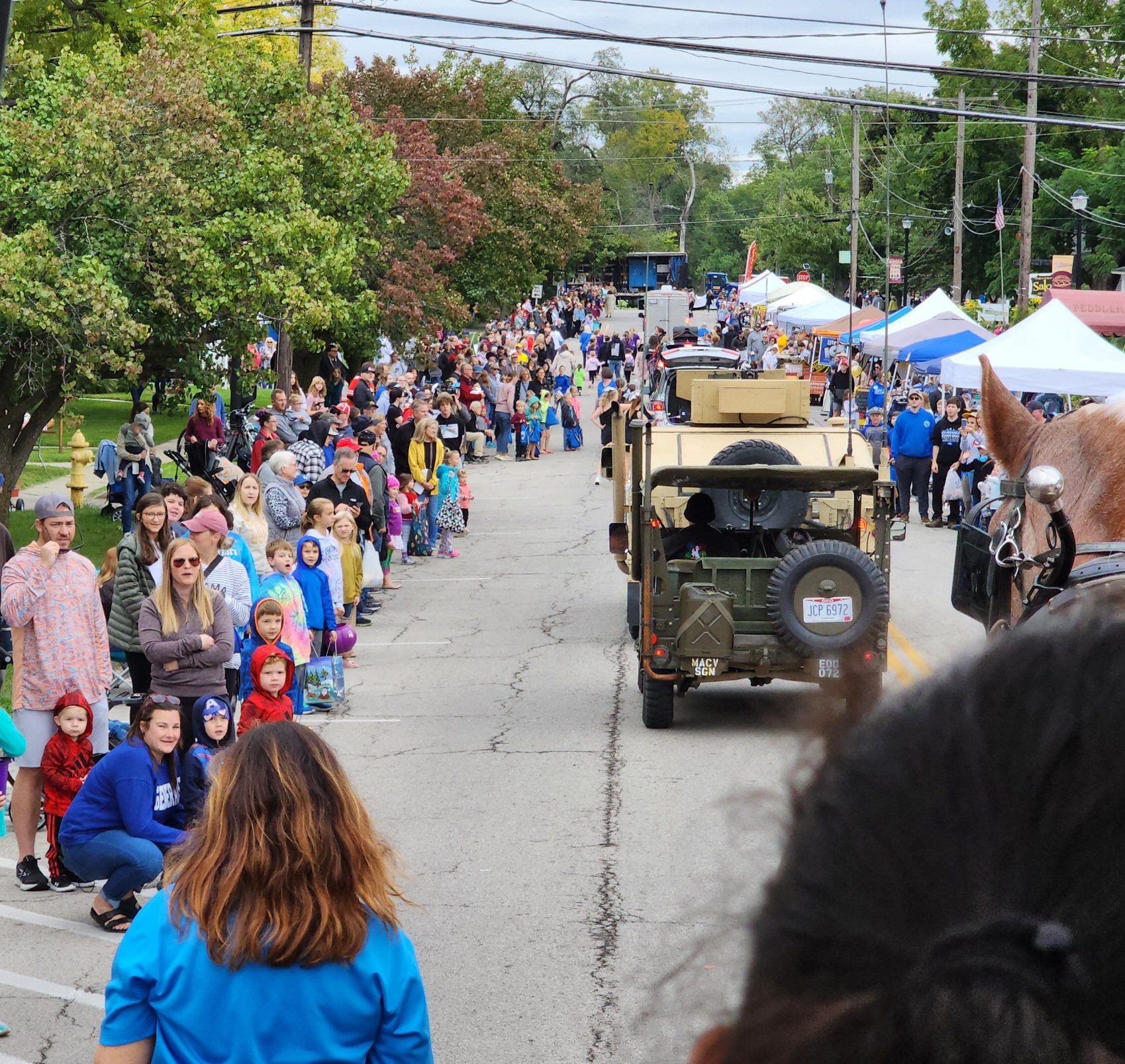
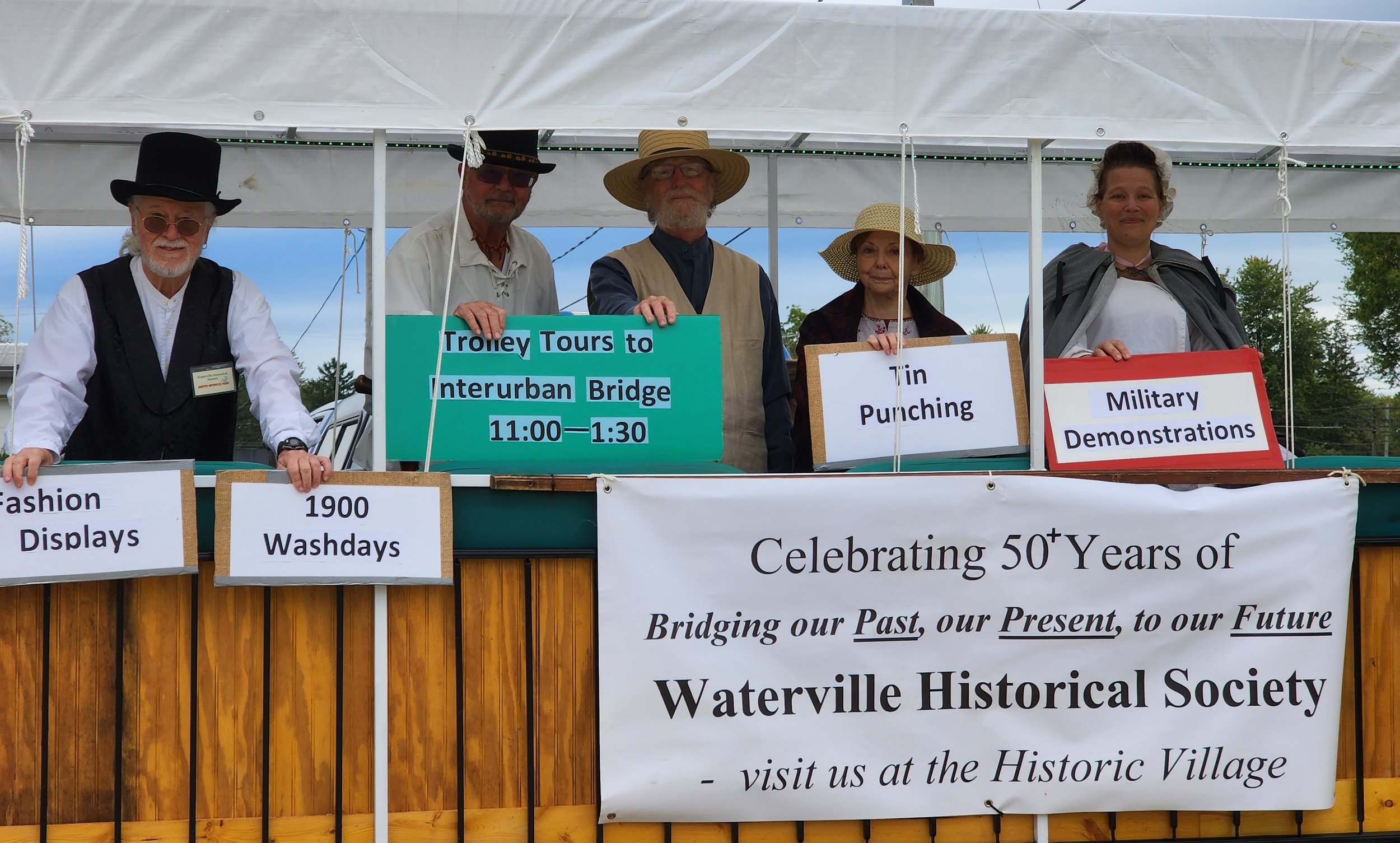
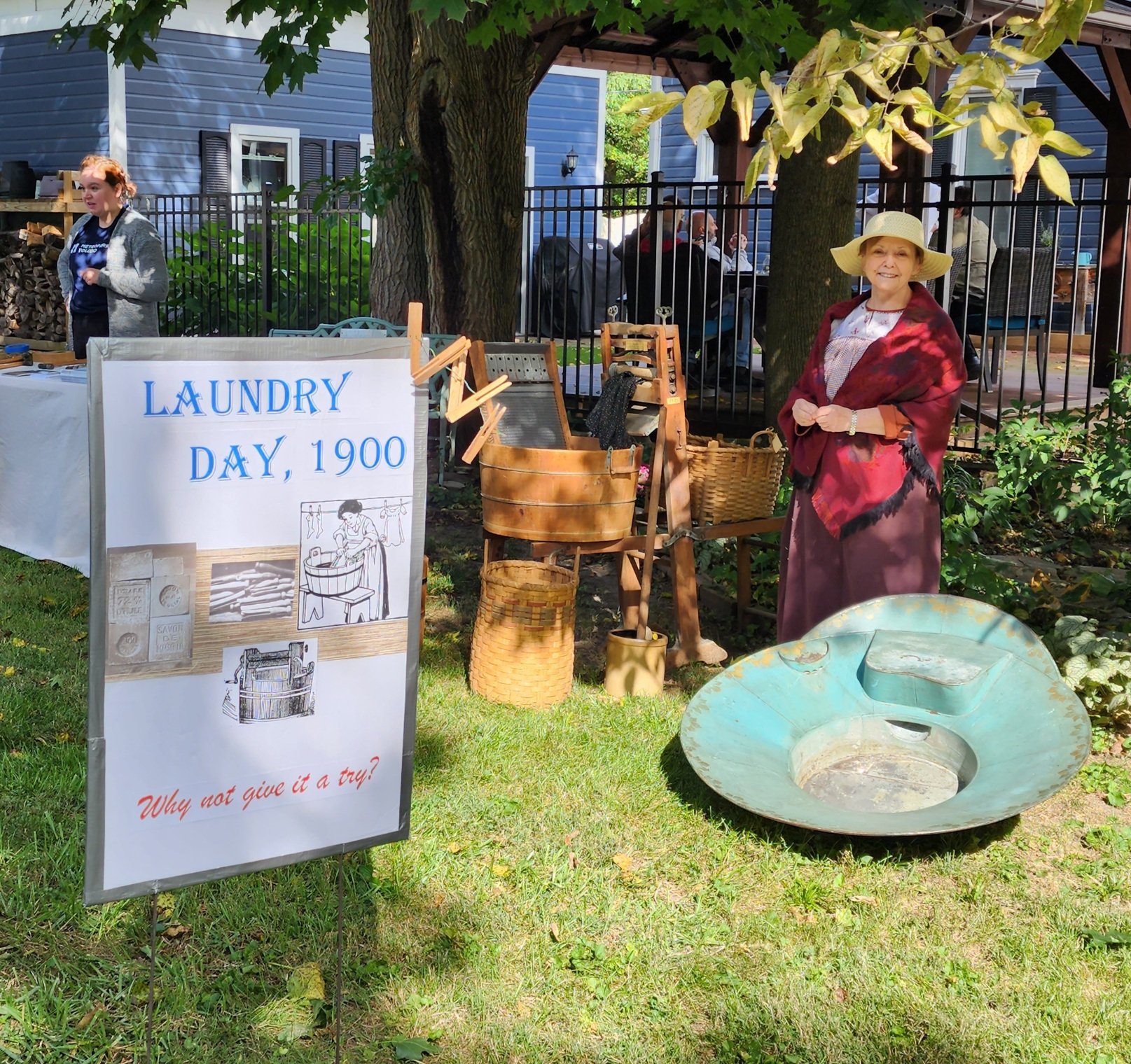
The Waterville Historical Society was a major participant in the town's festivities for RDB. In addition to historical figures tossing treats to children from a horse drawn trolley in the parade, a variety of activities were held on the River Road campuses. 

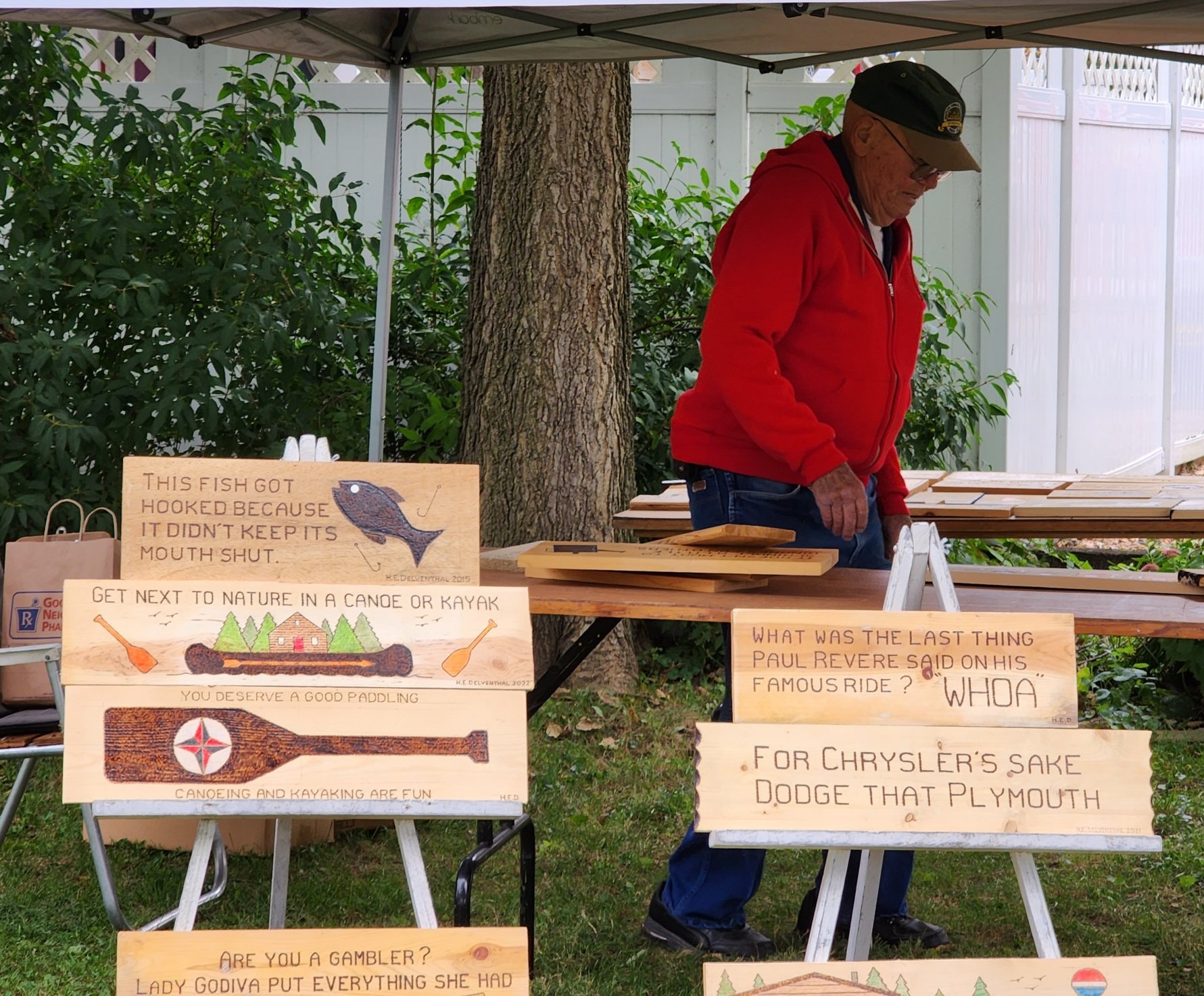
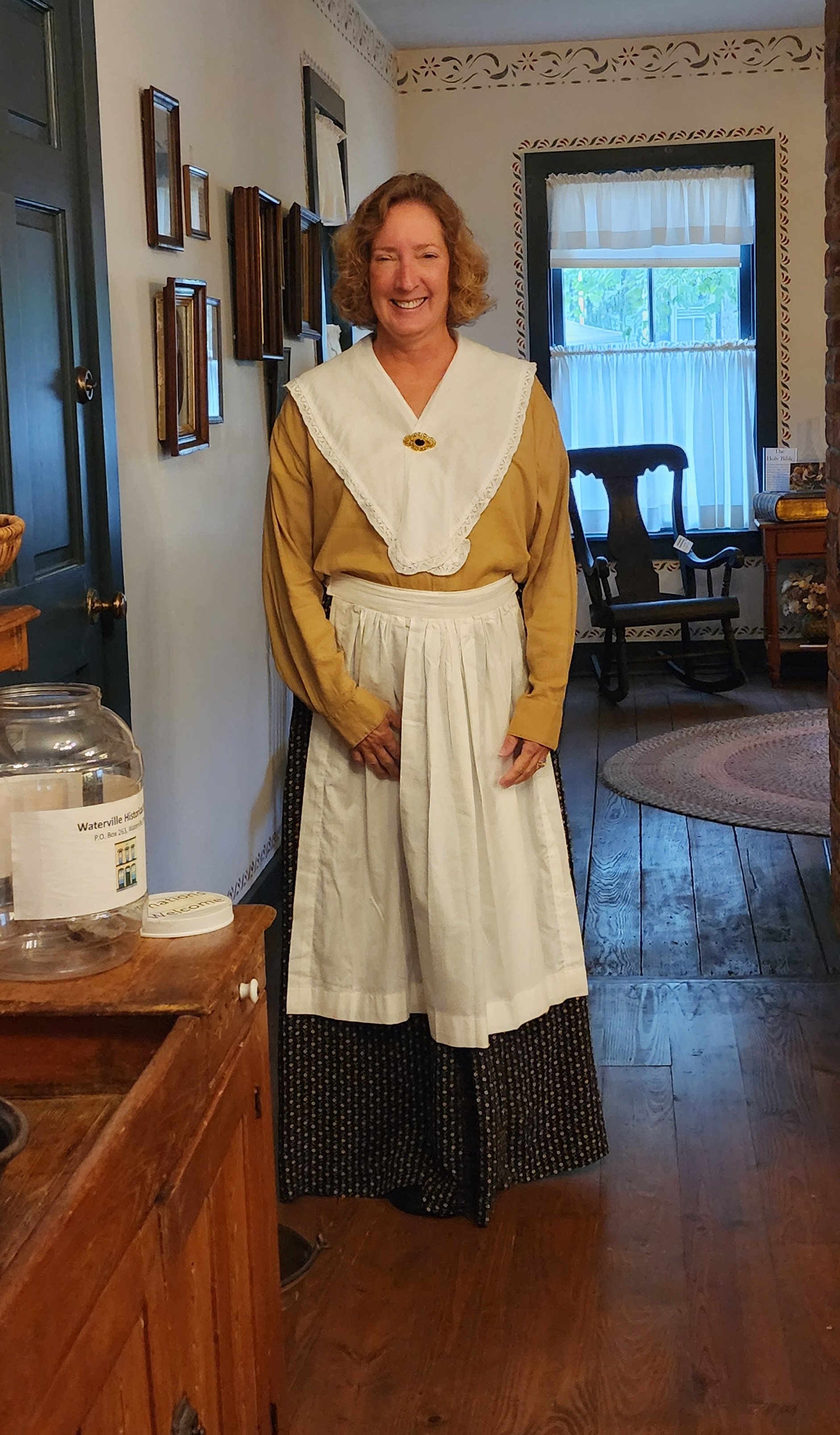
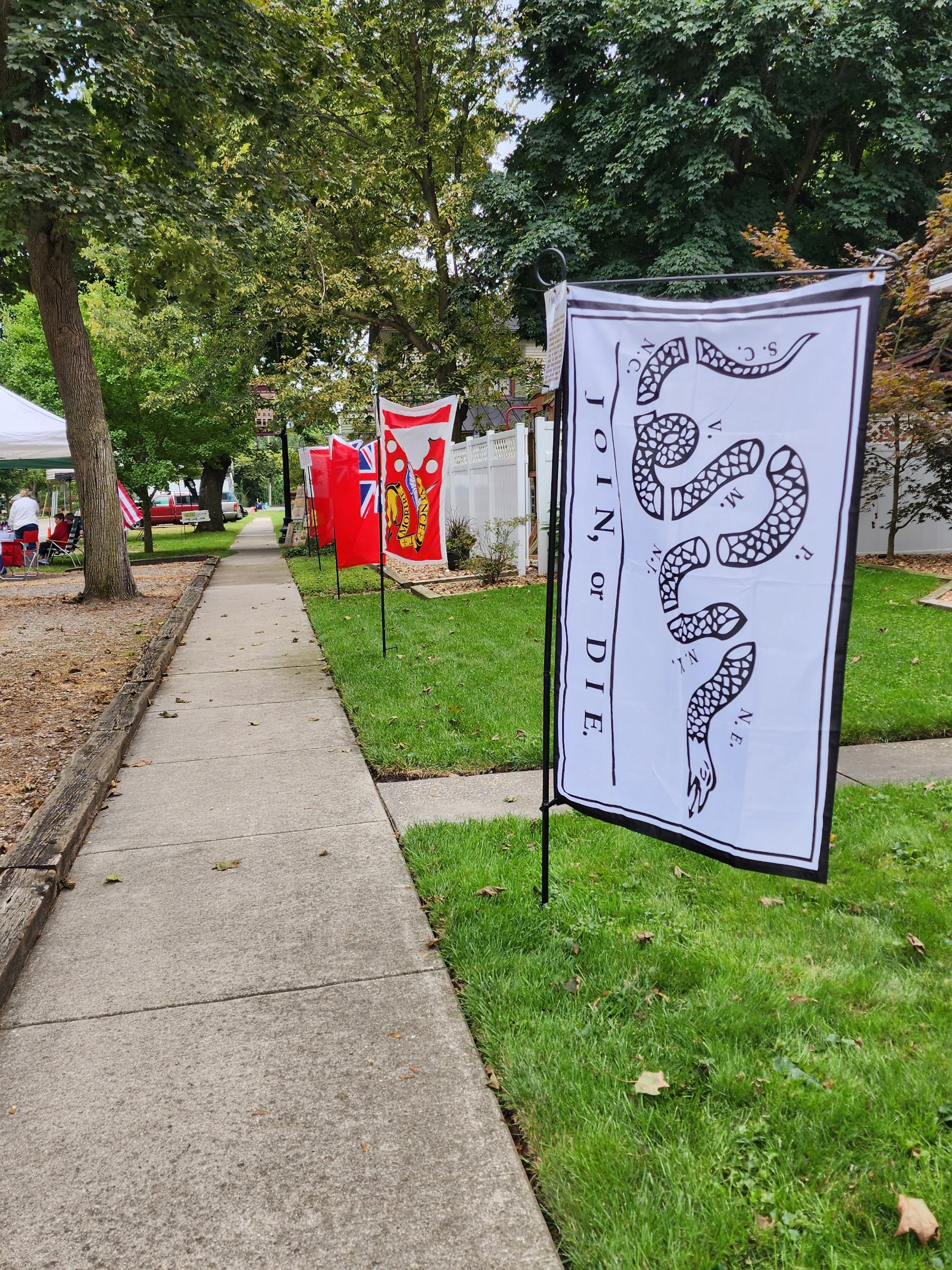
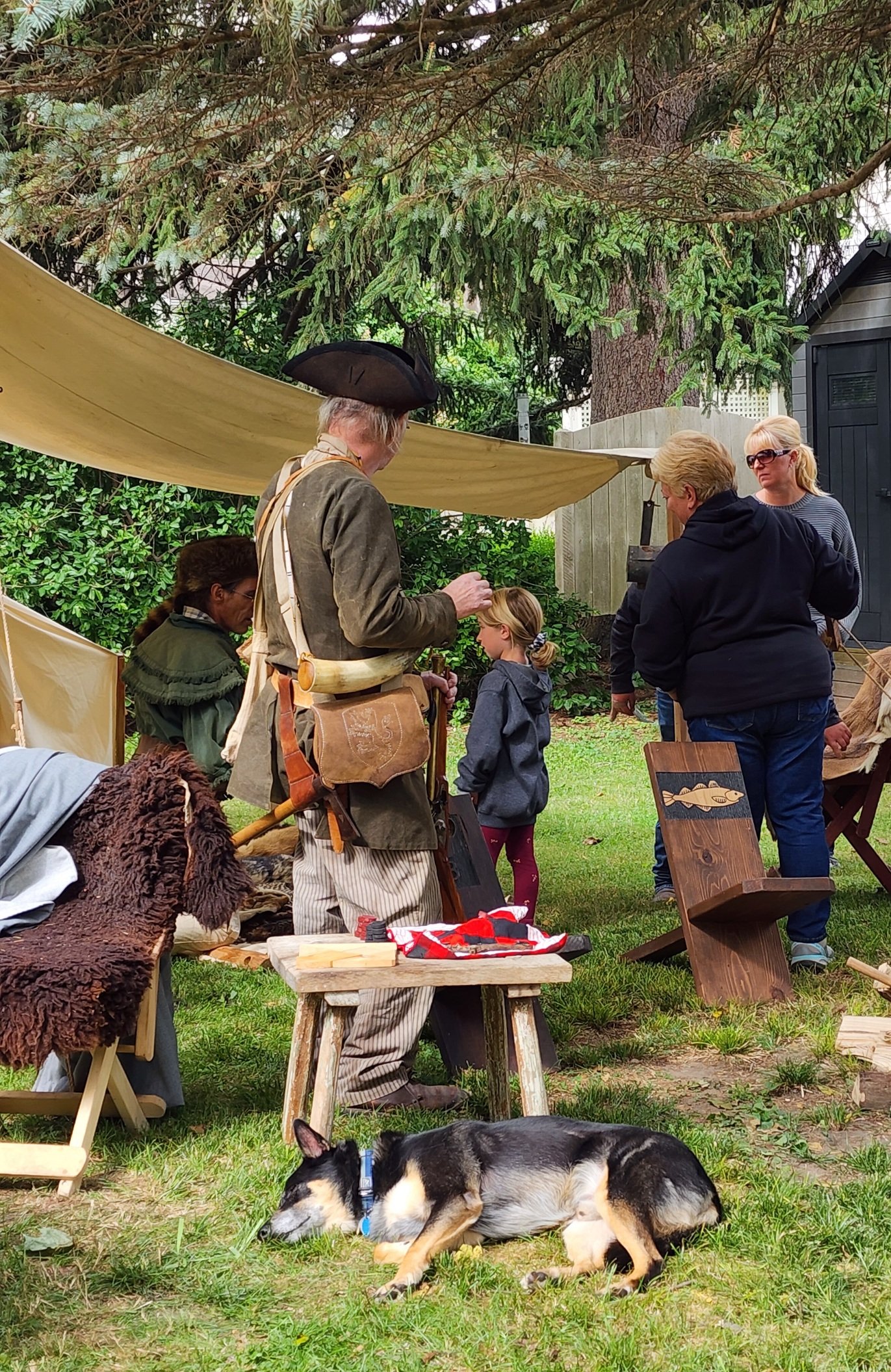
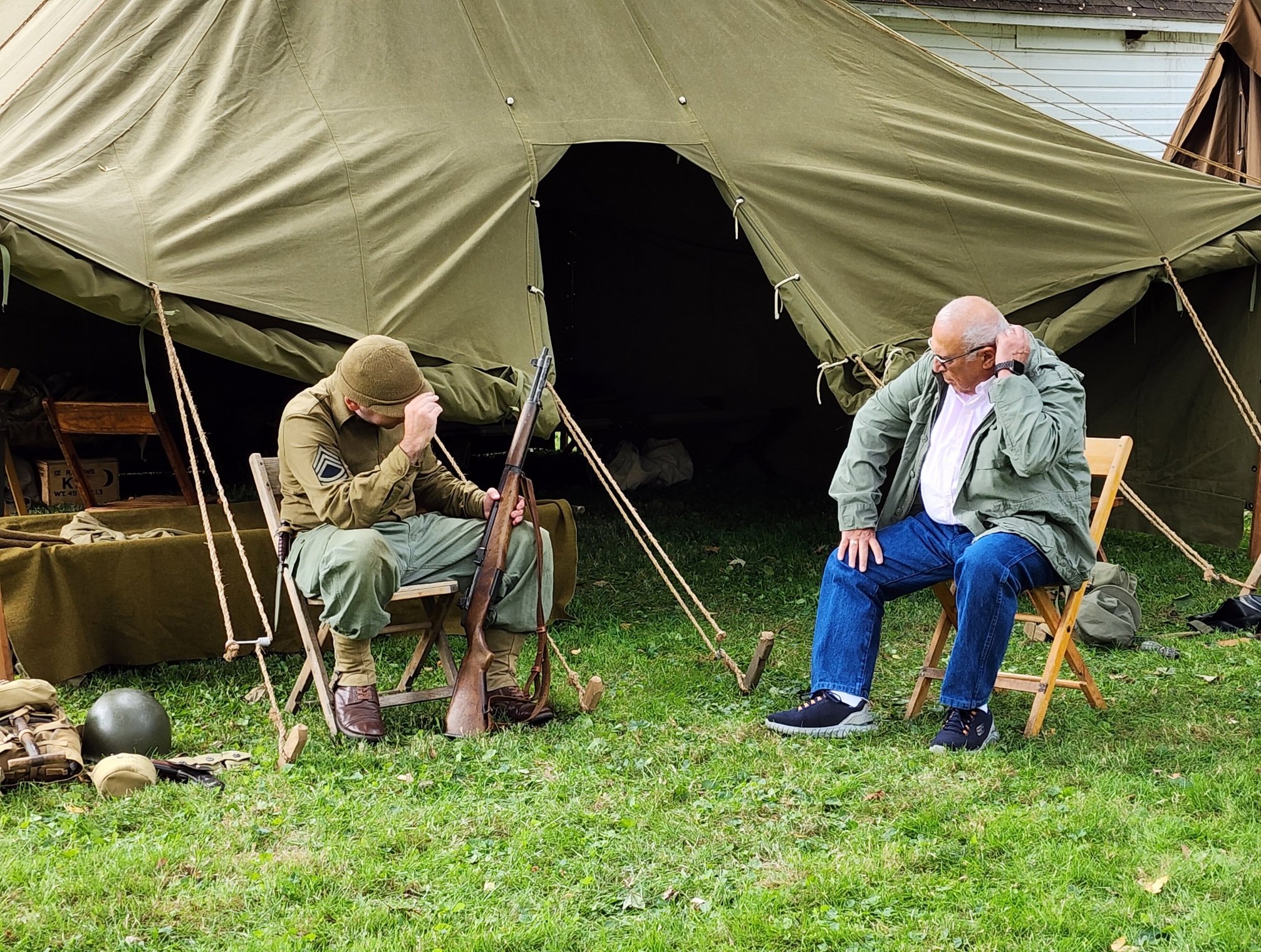
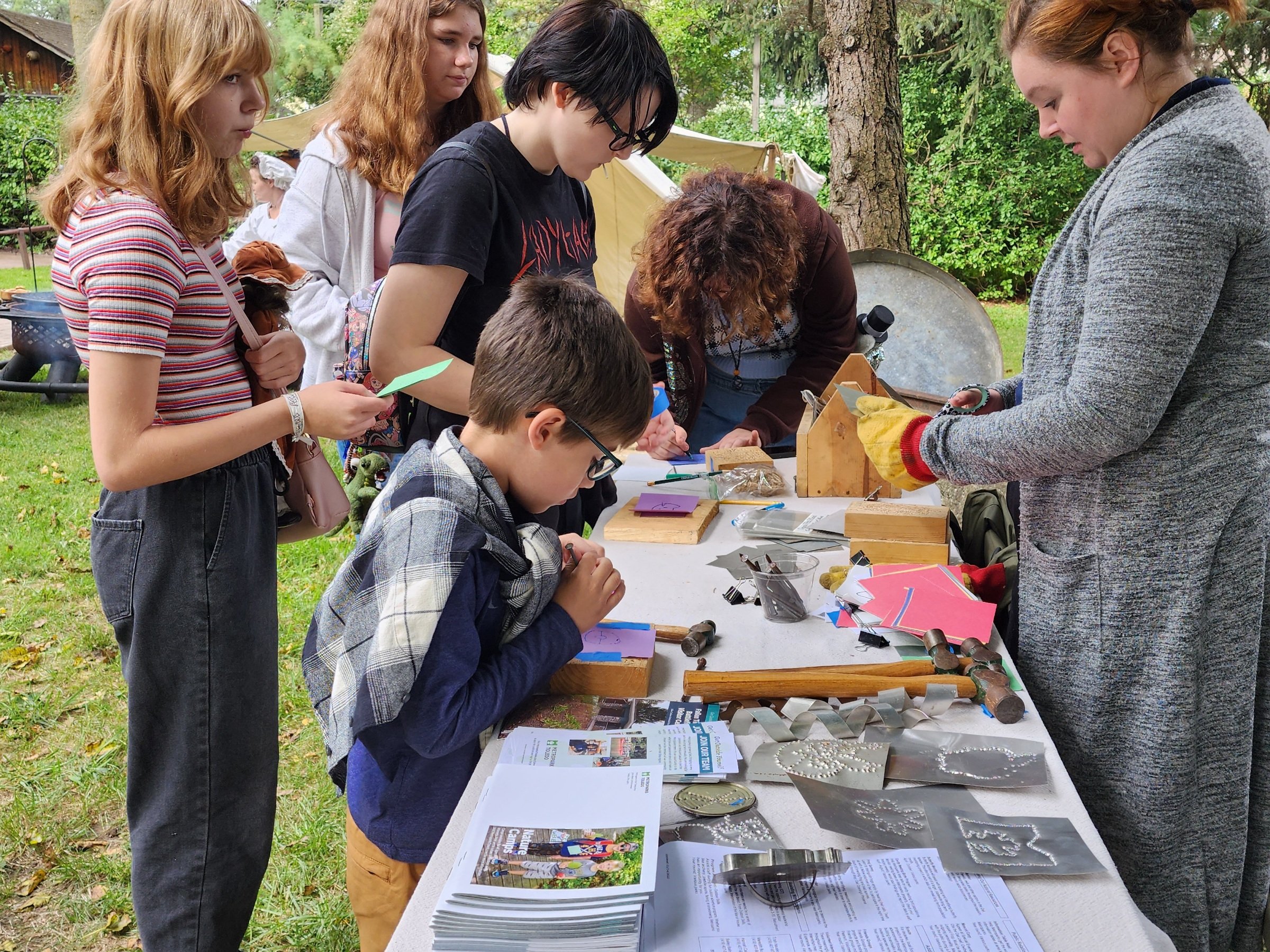
Replicas of historic flags fluttered down River Road. Children were given chances to create their own punch tin designs. Docents, indoors and out of the museums shared vignettes of lives lived in the 1800's. Reenactors of 19th and 20th centuries set up camps on the lawns and artists sold their wares. Even the ghosts participated. A paranormal investigator shared some of his experiences of local sightings and held a search for spirits in the Robbins House in the evening.

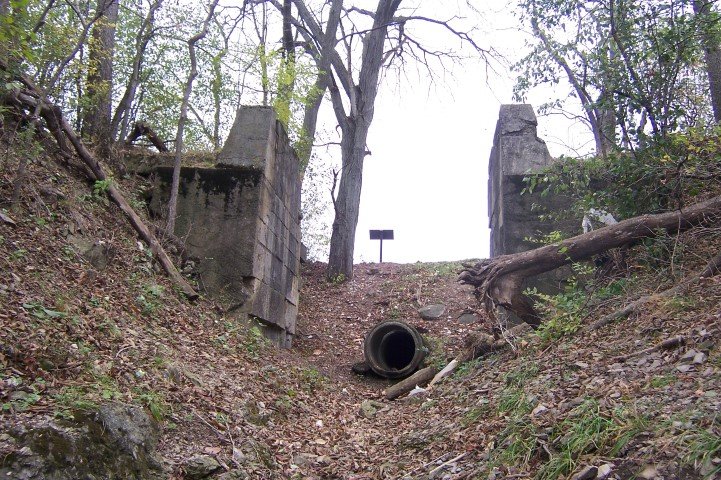
Finally, trolley rides to the Waterville Interurban Bridge were available with master storyteller Jim Conrad on board to tell of the Bridge's involvement in Waterville history.

P.O. Box 263,  Waterville, OH  43566            watervillehistory@outlook.com

Site by T3m ltd.    All images are intended for research use only.  Please respect any limitations of their original copyright holders.